


"Working with Striking Idea helped us translate a complex clinical and research vision into a digital platform that feels intuitive, supportive, and genuinely useful for patients. The new PainHQ experience brings structure to an otherwise overwhelming space of information and makes it far easier for individuals to find meaningful guidance."
Dr. LevinsonMcMaster University, Professor, Division of e-Learning Innovation 
"Krissy thinks like a product manager and works like a designer, and that combination made all the difference. She paired strategic decisions with real prototypes so our developers always knew exactly what they were building and why. She didn't just move the product forward, she changed how we worked together to get there."
Michelle AdkinsEncoura, Product Owner 
"Krissy at Striking Idea was wonderful to work with. She developed an outstanding and beautiful looking website and platform for our campaigns under a strict timeline. This allowed us to launch our biggest initiative ever with all of our digital assets ready."
Nik Strong-Cvetich, Executive DirectorSave The Waves, CEO 
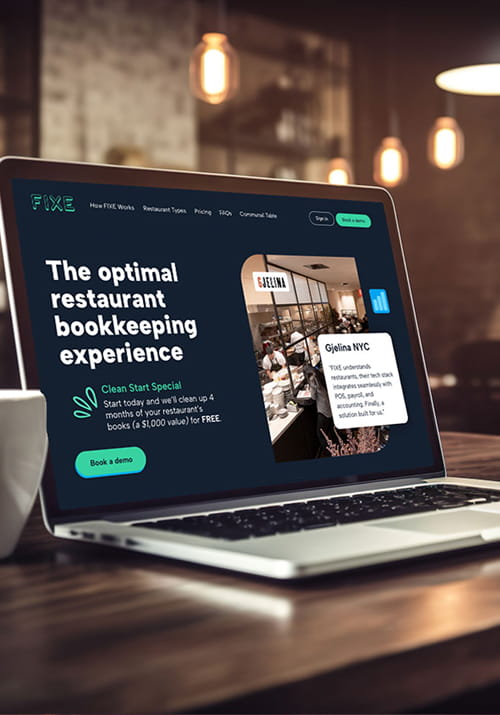
"Krissy has been great in being a partner to drive the brand of FIXE and really understanding our voice. She has been an extension of the team in growing our digital presence."
Ryan HandelFIXE, CEO & Co-Founder 
"Working with Striking Idea elevated our alumni program in ways we hadn’t achieved before. They translated our vision into a seamless, engaging digital experience that feels just as strong on mobile as it does on desktop. The platform is intuitive, flexible, and built with our community in mind. Most importantly, it’s helped us reconnect with alumni in a more meaningful, modern way."
Jesse HallWSU, Digital Communication Director 
"Krissy always maintained a positive attitude, no matter how difficult the challenge, and worked effectively with our development and QA teams to launch our Sleep.com platform. I feel confident recommending Krissy to lead any product team. She will quickly prove herself to be an invaluable asset."
Jay TutenMattress Firm, Product Manager 
"Krissy was an incredible partner in creating our new campaign page. Her patience, creativity, and can‑do spirit pushed us to think differently, use resources in new ways, and deliver a final product we’re truly thrilled with. She’s a fantastic communicator and a joy to work with. This was our second year working with Krissy and we look forward to many more!"
Charlotte OwsiannySECUMD Foundation, Executive Director 
"In my industry, I have the opportunity to meet, and work the most creative and innovative people around. From this group, Krissy is definitely at the top of the list. She is extremely hard-working and exceeds all expectations as they apply to timelines, communication, and performance."
Peter WardCHLA, Director of Product 
"Working with Krissy King is always a pleasure. In our recent project, her creativity and technical expertise brought our vision to life, delivering a stunning and user-friendly website. Plus, her attention to detail, timely communication, and problem-solving skills made the entire process smooth and efficient."
Pamela Esposito-AmeryTell Every Amazing Lady®, CEO & Co-Founder 
"I have worked with Krissy for many years and can't say enough about her value to the various companies we work with. Her talent as an versatile designer and developer is bar none. Not only does she deliver great work, she gets it done quicker than most. I haven't met a computer that can keep up."
Lance HollanderCEO, Agency Growth Leader